

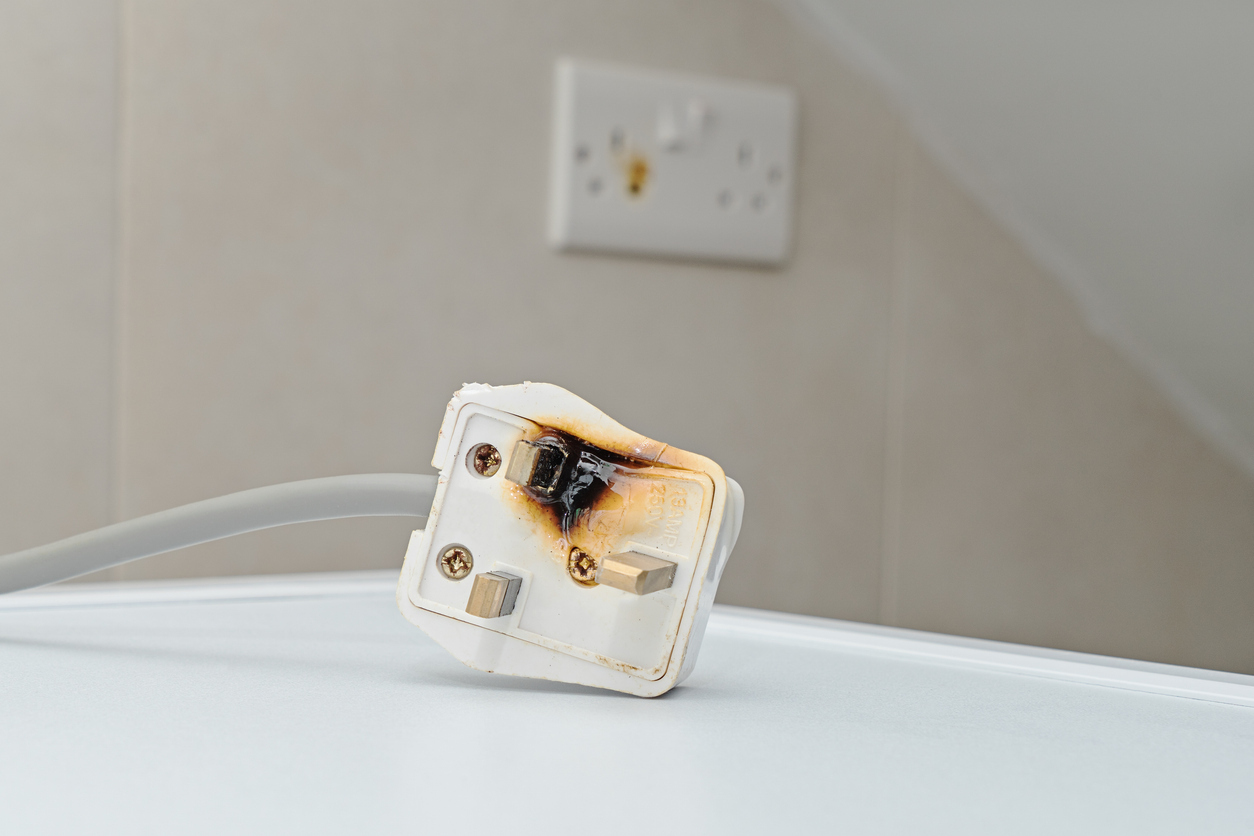
If a defective product hurts you or someone in your family you want to know two important things: what actually happened, and who's responsible for it. A faulty airbag, a power tool that malfunctions, or a medical device that fails results in significant injuries, and the company that made or sold the product isn't likely to volunteer that they made a mistake.
This guide explains how product liability law works in Ontario, the types of defects that support a claim, the products these cases typically involve, and how liability gets established, including how Canadian law differs from what you may have read about American cases.
Key Takeaways
- Product liability law in Ontario is built on negligence, breach of warranty, and contract law, since the province doesn't have one standalone product liability statute.
- Unlike the United States, Canada doesn't use strict liability for most product claims. In most cases, you need to prove the manufacturer or seller was at fault.
- Claims generally fall into three categories of defect: design defects, manufacturing defects, and failure to warn.
- These claims often name more than one defendant, including manufacturers, distributors, and retailers, which can improve your chances of recovering compensation.
- Strype only represents injured consumers, never manufacturers or their insurers, and we work on a contingency fee basis so you pay nothing unless we win.
What Is Product Liability Law in Ontario?
Product liability law is the area of law that lets you seek compensation when a defective or dangerously designed product causes an injury. It covers everything from a faulty vehicle part to a household appliance to a medical device that didn't work as it should have. In Ontario, these claims are built on common law principles and existing consumer protection legislation, rather than one dedicated statute.
Product Liability Law Definition
Product liability law holds manufacturers, distributors, and retailers responsible when a defective product causes injury or loss. A claim can rest on one or more of three legal theories: negligence (the company failed to take reasonable care), breach of warranty (the product didn't meet the standard it was sold under), and in some cases, contract law.
Ontario doesn't have a standalone product liability act. Instead, claims are built through a combination of common law negligence principles and existing legislation like the Sale of Goods Act and the Consumer Protection Act. The strength of a claim often depends on how the evidence is gathered and framed, not just on the fact that a product failed.
What to Do After a Defective Product Injury
What you do in the first few days after a defective product injury can shape how strong your claim is later:
- Get medical attention right away, and keep copies of every record. This documentation ties your injury directly to the incident.
- Preserve the product exactly as it was when the injury happened. Don't repair it, throw it out, or return it to the store.
- Take photos of the product, the injury, and the scene as soon as you're able.
- Avoid giving a recorded statement to the manufacturer's insurer before you've spoken with a lawyer.
- Contact a product liability lawyer as soon as possible. Ontario's limitation period starts running quickly, and early advice protects your options.
The Law of Product Liability and Product Liability in Ontario Explained
Many Canadians assume our product liability law works the same way it does south of the border, but it’s different. In the United States, many states apply a "strict liability" standard, meaning an injured person may only need to show that a product was defective and that the defect caused their injury. Fault doesn't need to be proven.
Canadian law, including Ontario's, generally requires more. In most claims here, you need to show that the manufacturer or seller was negligent or breached a duty of care, not just that the product caused harm. This makes strong evidence and skilled legal work important, since the burden of proof sits with you as the claimant.
|
Factor |
Canada (Ontario) |
United States |
|
Legal basis |
Negligence, breach of warranty, contract law |
Strict liability in most states, plus negligence and warranty |
|
Burden of proof |
Claimant must generally prove fault |
Claimant often needs only to prove defect and causation |
|
Damages caps |
No general cap outside auto tort thresholds |
Varies by state, some cap punitive or non-economic damages |
Types of Product Defects Under Product Liability Law
Nearly every product liability claim falls into at least one of three categories of defect, and identifying the right one early shapes the whole case. It determines who the likely defendants are, what kind of expert your lawyer needs to retain, and how the evidence gets gathered from the first phone call onward. Getting this classification right at the outset can save months later in the investigation phase.
- Design defects. The product's design is inherently unsafe, even when it's manufactured exactly as intended. Every unit that comes off the line carries the same risk, because the flaw is baked into the blueprint rather than a one-off production error. These claims usually involve an engineer or safety expert who can show a reasonable, safer alternative design existed and was feasible at the time the product was made.
- Manufacturing defects. The design itself is sound, but something went wrong during production, an assembly error, a contaminated batch, or a faulty part, that made an individual unit dangerous even though the design wasn't at fault. Because these defects typically affect only a portion of the units produced, batch numbers, recall notices, and quality control records often become central pieces of evidence in building the claim.
- Failure to warn. The manufacturer didn't give consumers adequate instructions or didn't disclose known risks. A product can be well-designed and well-made and still lead to a valid claim if the warnings or instructions weren't good enough to let you use it safely. This category also covers cases where a warning existed but was buried in fine print, written in unclear language, or failed to address a risk the manufacturer knew about but didn't disclose.
|
Defect Type |
Example |
Typical Evidence Needed |
|
Design defect |
A space heater with no automatic shutoff that overheats and starts a fire |
Engineering analysis, comparable safer designs, expert testimony |
|
Manufacturing defect |
A batch of car seats with a mis-installed buckle mechanism |
Product testing, batch and recall records, comparison to design specs |
|
Failure to warn |
A medication sold without disclosure of a known serious side effect |
Product labelling, regulatory filings, medical literature |
It's worth noting that a single injury can sometimes involve more than one type of defect at once. A power tool, for example, might have a design flaw and inadequate warnings about that flaw, giving your product liability lawyer more than one legal theory to build the claim around. That's why a thorough investigation at the outset, rather than an early assumption about what went wrong, tends to produce the strongest results.
How Liability Is Established: Negligence, Warranty and Car Product Liability Law Firm Claims
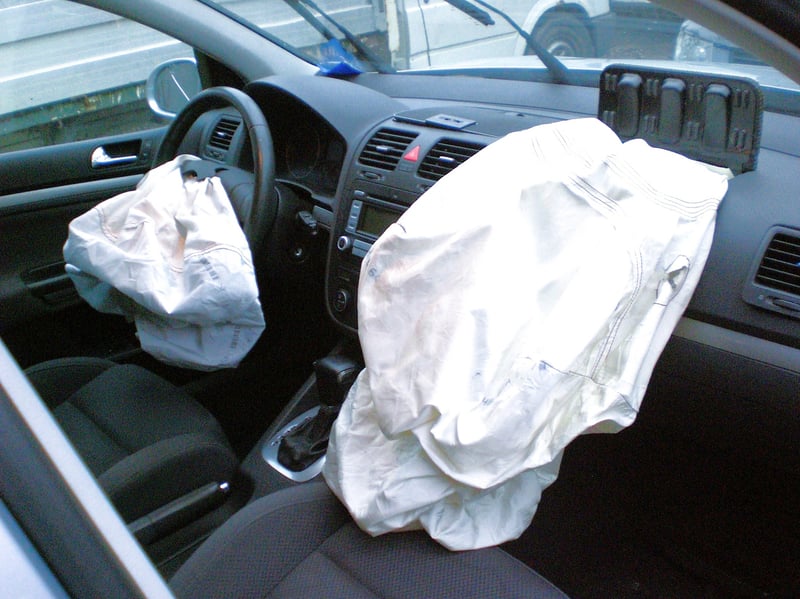
Most product liability claims are built on one of two legal foundations: negligence or breach of warranty. A skilled car product liability law firm, or any product liability firm, will often pursue both at once, along with claims against multiple parties in the supply chain.
Negligence and Duty of Care
Negligence is the most commonly used legal theory in product liability claims, largely because it applies regardless of whether you had a direct purchase relationship with the manufacturer. A negligence claim requires proof of four elements:
- Duty of care: the manufacturer or seller owed you a duty to act reasonably. Courts have long recognized that companies who design, make, or sell products owe a duty to the people who will foreseeably use them, not just the person who bought the product directly.
- Breach: they failed to meet that reasonable standard. This might mean skipping safety testing, ignoring known risks, cutting corners in production, or failing to follow industry standards that a reasonably careful company in the same position would have followed.
- Causation: the breach directly caused your injury. This isn't always straightforward, particularly if you have pre-existing conditions or the injury developed gradually rather than all at once, so this element often requires clear medical or engineering evidence connecting the defect to the harm you experienced.
- Damages: you suffered real, measurable harm as a result. This can include physical injury, income loss, out-of-pocket expenses, and pain and suffering, and your product liability lawyer will need documentation to support the value of each category.
Proving breach and causation is usually the hardest part, and it's where expert evidence, engineers, medical specialists, and industry consultants, becomes essential. A well-supported negligence claim typically draws on internal manufacturer documents, industry safety standards, and comparable product designs to show that a reasonable company would have caught and corrected the problem before it reached consumers. Strype's litigation team builds this evidence methodically from the outset of a file, working with the right experts early rather than waiting until a claim is already underway, since gaps in this kind of proof are difficult to fill in later.
Breach of Warranty and the Sale of Goods Act
Ontario's Sale of Goods Act implies certain conditions into every sale, including that a product will be reasonably fit for its intended purpose and of merchantable quality. If a product fails to meet that standard, you may have a claim for breach of warranty that doesn't require proving negligence at all. One important limit to remember is that this implied warranty generally runs between you and the seller you bought from, not automatically against the manufacturer, unless the manufacturer was also the seller. That's one reason these claims often need to be built against more than one party.
Multiple Defendants: Manufacturers, Distributors and Retailers
A product liability claim frequently names several defendants at once. This often includes:
- The manufacturer
- Any distributors in the supply chain
- The retailer who sold the product
If one party has limited insurance coverage or few assets, naming additional defendants improves your odds of actually recovering the compensation you're owed. It also reflects how these products move through the market, with responsibility often shared across more than one company.
Product Liability Lawyer vs. Product Liability Defence Lawyer Canada: Who We Represent
Not every product liability lawyer in Canada works for injured people. Some personal injury lawyer firms represent the other side entirely, defending manufacturers, distributors, and insurers against claims brought by consumers. It's worth knowing which kind of firm you're talking to before you share details about your case.
Strype Injury Lawyers only represents injured consumers. We don't act for manufacturers, and we don't act for insurers. That's not a limitation on what we do, it's a trust signal. Every resource in our firm, from Jeffrey Strype's 45+ years of trial experience to our in-house nursing staff, is directed toward one goal: getting the people we represent the compensation they're owed.
Frequently Asked Questions About Product Liability Law in Ontario
How long do I have to file a product liability claim in Ontario?
Ontario's general limitation period is two years from the date you knew, or reasonably should have known, that you were injured and that the product was the cause. Missing this deadline generally ends your right to pursue a claim.
Can I sue if the product had a warning label?
Yes, in many cases. A warning label doesn't automatically protect a manufacturer from liability. If the warning was inadequate, hard to notice, or didn't cover the specific risk that caused your injury, you may still have a valid failure-to-warn claim.
What if I no longer have the defective product?
It's still worth speaking with a product liability lawyer. Claims can also be supported by photos, purchase records, medical records, product recalls, and manufacturer records. Your lawyer can advise you on what to gather and how to strengthen the claim without it.
Does Strype handle product liability defence work?
No. Strype only represents injured consumers pursuing compensation from manufacturers, distributors, and retailers. We never represent manufacturers or their insurers, in product liability cases or otherwise.
Conclusion: Don't Face a Product Liability Claim Alone

A defective product injury raises more questions than most people expect: what kind of defect caused it, who's actually responsible, and whether Canadian law works the way you assumed. You don't need to sort through those questions alone.
At Strype Injury Lawyers, we bring 45+ years of trial experience, in-house medical expertise, and the financial resources to fund expert reports upfront, all on a contingency fee basis, so you pay nothing unless we win. Whether the case involves a defective vehicle part, a household product, or a medical device, we investigate thoroughly and hold the right parties accountable. If you've been injured by a defective product in Ontario, don't talk to the manufacturer's insurer. Talk to us.
Contact Strype Injury Lawyers today for a free, no-obligation case evaluation.
Legal Disclaimer: The information in this article is intended for general educational purposes only and does not constitute legal advice. Every personal injury claim is unique, and the facts of your situation may affect your legal rights and options. If you have been injured or believe you may have a legal claim, contact a qualified personal injury lawyer in Ontario as soon as possible.

Personal Injury Lawyers