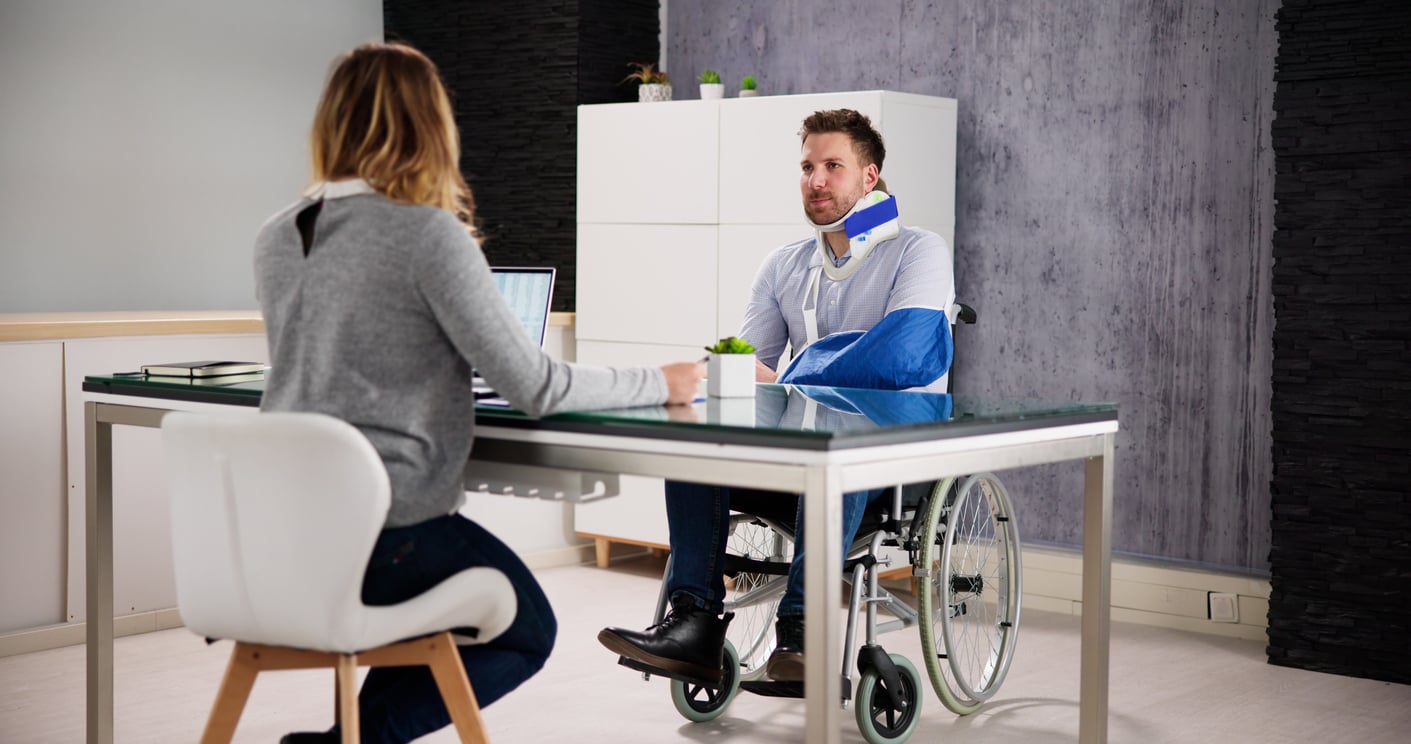

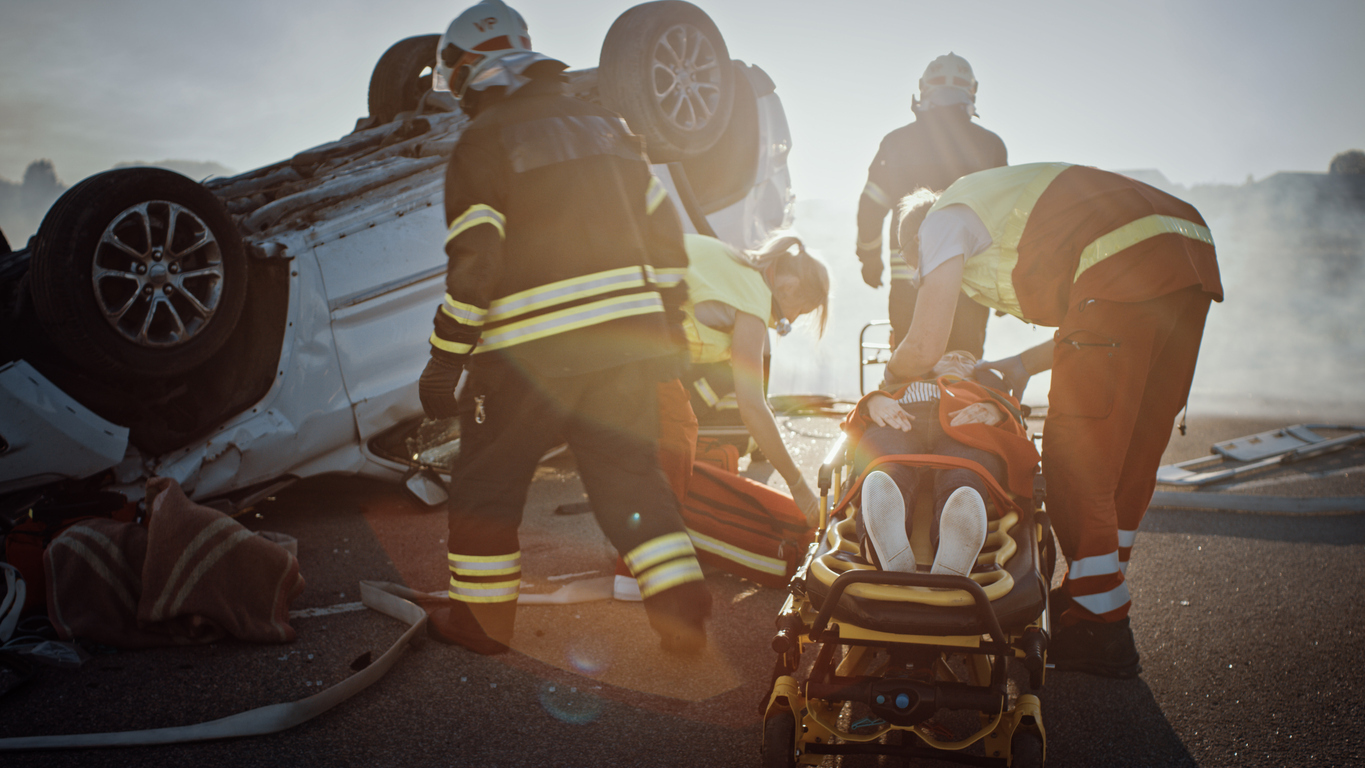
Someone you love has been badly hurt in a car accident. They may be unable to work, drive or look after themselves the way they used to. Now a letter from the insurance company arrives using the word "catastrophic," and nobody explains what it means or why it suddenly matters so much.
The short answer is that catastrophic impairment is a legal designation under Ontario's Statutory Accident Benefits Schedule (SABS), and it decides how much funding an injured person can get for care and recovery. With the designation, the standard limit for medical, rehabilitation and attendant care benefits rises from $65,000 to $1 million, and those benefits are no longer cut off after five years.
This guide explains how the catastrophic impairment application works, when psychological injuries qualify on their own and what to do if you were told your injuries weren't severe enough. Insurers dispute this designation often, so it helps to understand the process before you apply.
Key Takeaways
- Catastrophic impairment is a SABS designation that raises the standard limit for medical, rehabilitation and attendant care benefits from $65,000 to $1 million.
- The designation is based on how much function a person has lost, so two people with the same diagnosis can get different results.
- You apply to your auto insurer using an OCF-19 form, and the insurer can order its own medical assessments.
- A serious mental or behavioural disorder can qualify under Criterion 8, even with no visible physical injury.
- An injury first treated as non-catastrophic can reach the threshold later, so it's worth taking another look if things get worse.
What Is a Catastrophic Injury?
A catastrophic injury is a severe injury that causes lasting harm to a person's body, brain or mental health and permanently changes how they live and work. In Ontario car accident claims, the injury is formally recognized when it meets one of the catastrophic impairment criteria in the SABS, which unlocks higher accident benefits for care and recovery.
Common examples include spinal cord injuries, amputations, loss of vision and severe brain injuries. For the full list of SABS criteria and more injury examples, read our guide to working with a catastrophic injury lawyer.
Knowing early whether an injury may be catastrophic can change the level of care your family is able to afford.
Catastrophic Injury Meaning vs. Catastrophic Impairment
The catastrophic injury meaning most people have in mind is the harm itself, such as a broken spine or a bleed on the brain. A catastrophic impairment is different because it's the lasting loss of function that doctors measure against the SABS tests, like being unable to walk, see, concentrate or manage daily tasks.
This difference matters because two people can suffer the same injury and end up with very different outcomes, since the designation measures how much function is lost and treats the diagnosis as only a starting point. One person with a spinal fracture may recover well after surgery, while another may never walk again without help, and only the second is likely to meet the threshold.
It also means the answer to what is catastrophic injury in legal terms can change over time. Doctors may not be able to measure the full impact of an injury for months or years, which is why timing matters so much.
The label follows the impairment, not the injury, so the medical evidence you gather is what decides your claim.
The Catastrophic Impairment Ontario Application Process
You apply to the auto insurer handling your accident benefits (usually your own) using an Application for Determination of Catastrophic Impairment, known as the OCF-19. A qualified health professional must sign the form, and it should include medical reports that show which SABS criterion the injured person meets.
Who Signs the Application and When You Can Apply
A physician completes and signs the OCF-19, although a neuropsychologist can complete it instead if the impairment results only from a traumatic brain injury. In psychological claims, the physician often relies on reports from a treating psychiatrist or psychologist.
When you can apply depends on the criterion. Some impairments, such as paraplegia, an amputation or a loss of vision, are clear early on, so you can often apply as soon as the medical evidence is in place. Other criteria need time to show whether the impairment is permanent.
- Assessors rate adult brain injury claims on the Glasgow Outcome Scale Extended (GOS-E) at set points after the accident, from one month for the most severe outcomes up to one year for others.
- Whole person impairment claims under Criteria 6 and 7 can qualify two years after the accident, or sooner if a physician's assessment done at least three months after the accident finds the impairment is unlikely to improve below 55%.
- Mental and behavioural claims under Criterion 8 can qualify two years after the accident, or sooner if a physician states in writing that the impairment is unlikely to improve.
Applying too early can lead to a denial that's hard to undo, while waiting too long can leave a family without funding when they need it most.
What Happens After You Apply
Once the catastrophic impairment application is ready, the process usually follows these steps.
- You or your lawyer submit the OCF-19 to the insurer, along with the supporting medical reports.
- The insurer responds within 10 business days, either accepting the application or telling you it wants an insurer examination (IE).
- The IE assessors, whom the insurer chooses and pays, examine the injured person and send their reports to the insurer, which must share them with you.
- The insurer makes its decision based on the reports it has received.
- If the insurer denies your application, you can dispute the decision at the Licence Appeal Tribunal (LAT), generally within two years of the denial.
Learn more about challenging an insurer's decision on our accident benefit dispute page.
Building a Stronger Application
A strong application gives the insurer less room to argue. It usually includes the following types of evidence.
- Consistent treatment records show regular care from the start, since gaps in treatment are one of the first things insurers point to.
- Reports from treating specialists, such as neurologists, orthopaedic surgeons or psychiatrists, carry weight because these doctors know the injured person's history.
- Functional evidence from family members and caregivers describes what daily life looks like now compared with before the accident.
- Independent expert reports that respond directly to the IE findings make sure the decision-maker hears both sides.
Strype's in-house nurses review medical files to spot gaps before the insurer does, and the firm pays for expert reports upfront.
The first application often sets the tone for the whole claim, so it pays to get it right before it's filed.
Criterion 8 Catastrophic Impairment: When Psychological Injuries Qualify

Criterion 8 covers serious mental or behavioural disorders caused by the accident, such as severe post-traumatic stress disorder (PTSD), major depression or psychosis. Rather than relying on the diagnosis, it measures how much the disorder limits the person's daily life.
The Four Areas of Function
Assessors rate psychological impairment using the AMA Guides (4th edition, Chapter 14), which look at four areas of function.
- Activities of daily living include tasks like bathing, cooking, shopping, paying bills and keeping appointments.
- Social functioning is the ability to get along with family, friends, neighbours and others.
- Concentration, persistence and pace is the ability to focus on a task and finish it in a reasonable amount of time.
- Adapting to stress in work or work-like settings looks at whether the person can cope with ordinary pressures or whether their symptoms get worse.
To meet the Criterion 8 catastrophic impairment test, the person must have a "marked" impairment in three or more of these areas, or an "extreme" impairment in at least one.
How Impairment Levels Are Rated
Assessors rate each area of function on a five-class scale. The table below shows what each level can look like in everyday life.
|
Class |
Level |
What It Can Look Like in Daily Life |
|
Class 1 |
None |
No real limits. The person manages home, work and relationships as they did before the accident. |
|
Class 2 |
Mild |
Some difficulty, but the person still handles most daily tasks and responsibilities on their own. |
|
Class 3 |
Moderate |
The person manages some tasks but needs reminders, frequent breaks or help with others. |
|
Class 4 |
Marked |
Symptoms seriously limit daily life, such as rarely leaving home, pulling away from family or being unable to follow a simple routine without help. |
|
Class 5 |
Extreme |
The person can't function in that area, such as needing constant supervision or being unable to care for themselves. |
Why Criterion 8 Claims Are Often Disputed
Mental health injuries don't show up on scans, so insurers often argue that symptoms existed before the accident or have other causes. The real question is whether the accident caused a disorder or made an existing one significantly worse.
That's why consistent psychiatric and psychological treatment records matter so much. Regular appointments and notes from treating professionals create a clear timeline that's hard to dismiss.
The Criterion 8 test has also become stricter over time. For older accidents, Ontario's Court of Appeal confirmed in Pastore v. Aviva (2012) that a marked impairment in just one area of function could qualify. For accidents on or after June 1, 2016, a person now needs marked impairments in three or more areas, or an extreme impairment in at least one.
You don't need a visible physical injury to qualify as catastrophically impaired.
When a Non Catastrophic Injury Becomes Catastrophic
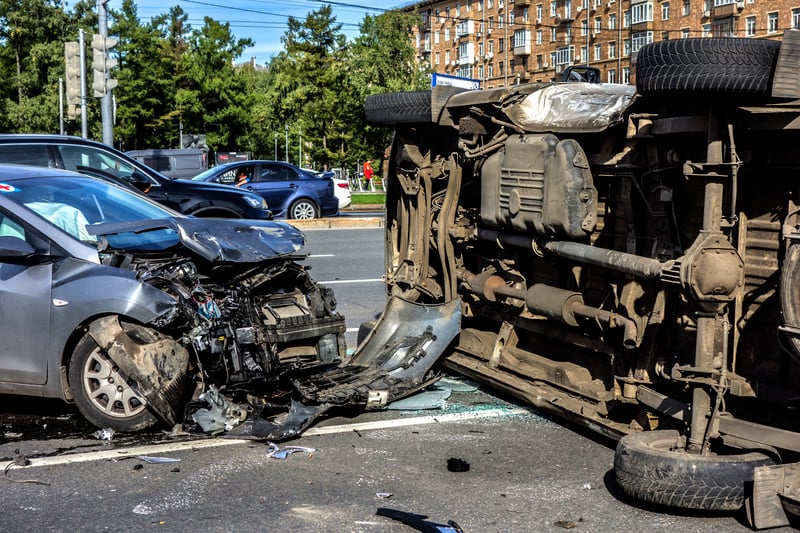
An injury first treated as non-catastrophic can meet the threshold later if symptoms get worse, new problems develop or several impairments add up over time. A non catastrophic injury label can change, and you can apply for the designation once the medical evidence supports it.
Many people hear early on that their injuries "aren't that bad." Strype makes sure long-term effects are fully assessed before anyone accepts a settlement or gives up on a catastrophic impairment application, since a quick settlement based on early reports can leave you without funding for care you'll need for decades.
Non-Catastrophic Injury Examples That May Later Qualify
These non-catastrophic injury examples (minor injuries) sometimes reach the threshold as the full picture becomes clear.
- Chronic pain combined with depression or anxiety can reach 55% whole person impairment under Criterion 7, which lets assessors combine physical and psychological impairments.
- PTSD that worsens over time can reach a marked impairment in three areas of function under Criterion 8.
- Orthopaedic injuries with complications, such as failed surgeries or infections, can lead to a lasting loss of mobility.
- Concussion symptoms that don't go away can lead to later findings of a traumatic brain injury.
Signs It's Time to Reassess Your Claim
Watch for these signs that your claim may need a second look.
- Treatment that once helped has stopped making a difference, or your doctors say your recovery has reached a plateau.
- You've received a new diagnosis, such as depression, PTSD, chronic pain syndrome or a brain injury.
- You need more help at home with bathing, dressing, cooking or getting to appointments than you did before.
- Your funding is running low under the $65,000 non-catastrophic limit, or you're nearing the five-year cut-off for medical and rehabilitation benefits.
Hearing that your injuries aren't serious enough isn't the final word, especially if your health has changed since that decision.
Don't Talk to Them, Talk to Us
A denied or delayed catastrophic impairment application isn't the end of the road. You can apply again with new medical evidence or challenge the decision at the LAT.
Getting the designation right matters even more after the July 1, 2026, SABS reform. Medical, rehabilitation and attendant care benefits are still mandatory, and the $1 million catastrophic limit still applies. However, income replacement, caregiver and housekeeping benefits are now optional, and caregiver and housekeeping benefits were once part of standard coverage for people with a catastrophic designation. Check your policy now so you know what you'd actually receive, and read our guide to accident benefits in Ontario for more on each benefit.
Jeffrey Strype is a Certified Specialist in Civil Litigation with more than 45 years of experience, and the firm has taken more than 250 cases to trial. Insurers know Strype is ready to fight at the LAT and in court, and that readiness often leads to settlements without clients ever stepping into a courtroom. Our in-house nurses and social workers also support families through recovery, so you're never treated as just a number.
If cost is holding you back, you don't pay a fee unless Strype wins your case. The firm also covers the cost of independent medical experts upfront, which can exceed $50,000 in complex claims.
If someone you love has been seriously hurt, or an insurer has denied a catastrophic impairment application, get a free case evaluation. It's a no-pressure conversation about your options, with no obligation to move forward.
Legal Disclaimer: The information in this article is intended for general educational purposes only and does not constitute legal advice. Every personal injury claim is unique, and the facts of your situation may affect your legal rights and options. If you have been injured or believe you may have a legal claim, contact a qualified personal injury lawyer in Ontario as soon as possible.

Personal Injury Lawyers