

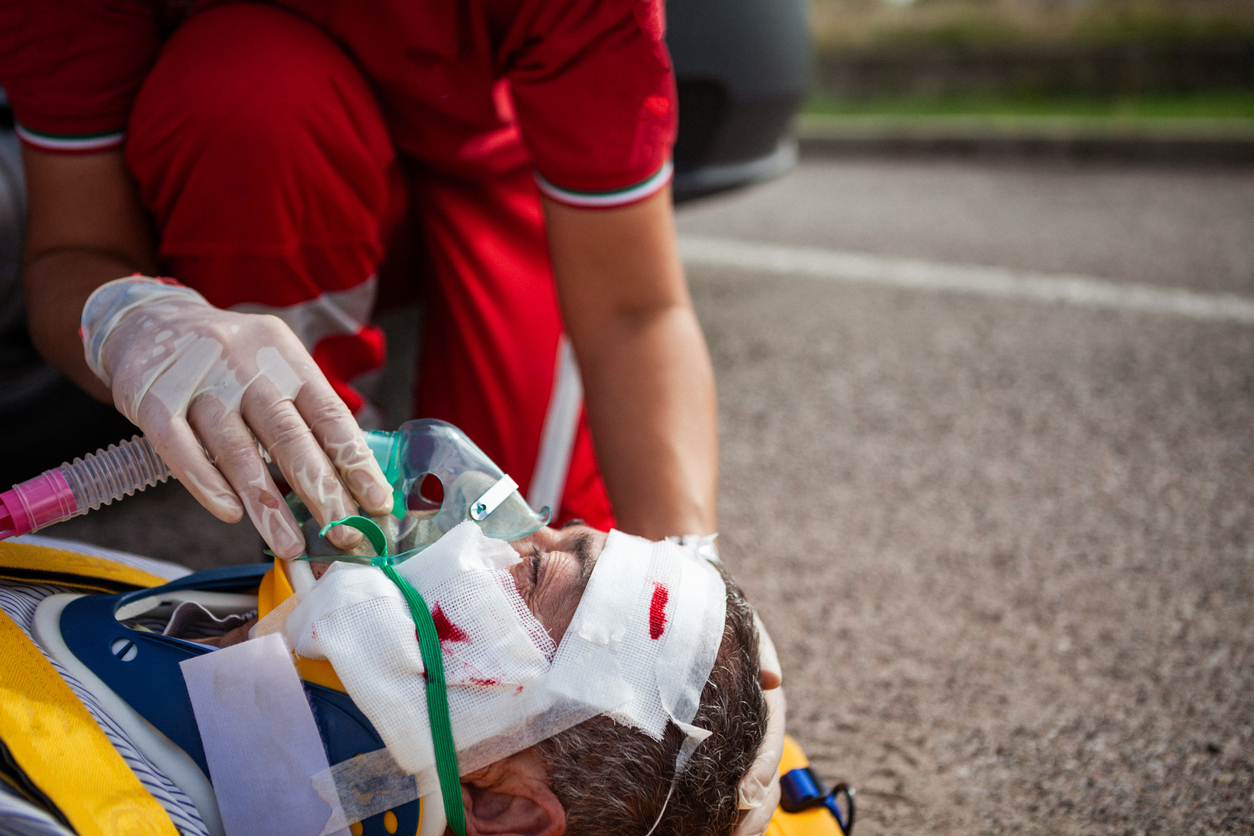
Someone you love has a serious brain injury, and life has changed in ways you probably couldn't have imagined a few weeks ago. Maybe it was a car accident, a fall, a workplace incident, or a medical mistake. Whatever the cause, you're now dealing with hospital visits, unfamiliar medical terms, insurance paperwork, and constant worry.
You may not know whether your loved one will recover fully, what their care will cost for the rest of their life, or whether anyone will be held accountable. Friends and family may tell you it will all work out, but you're the one facing the doctors' appointments, the adjuster's calls, and the quiet worry about tomorrow. At Strype Injury Lawyers, we've guided Ontario families through this exact situation. We understand the medicine behind a brain injury as well as the law, and we're here to walk you through what comes next, one step at a time.
What Is a Traumatic Brain Injury (TBI)?
A traumatic brain injury is damage to the brain caused by an external physical force, such as a blow to the head, a violent jolt, or a penetrating injury. An acquired brain injury, or ABI, is the broader category. It includes TBI, but it also covers brain injuries that come from internal causes, such as a lack of oxygen, a stroke, or an infection. This distinction matters in a legal claim because the cause of the injury shapes which laws apply and who might be held responsible.
Types of TBI, From Mild to Severe
- Mild TBI (often called a concussion): brief loss of consciousness or short disorientation right after the injury. Imaging often looks normal at first, which can make it seem less serious than it is. Symptoms like headaches, cognitive fog, light sensitivity, and disrupted sleep can last weeks or months. When symptoms continue past the expected recovery window, doctors call it post-concussion syndrome, which can affect a person's ability to work and function long-term.
- Moderate TBI: loss of consciousness lasting from several minutes to a few hours. Imaging typically shows visible structural damage, with noticeable physical, cognitive, and behavioural effects. Recovery is far less predictable than mild TBI, and many people are left with lasting limitations even after treatment and rehabilitation.
- Severe TBI: prolonged unconsciousness or coma, with imaging showing clear structural damage. Survivors often face lifelong deficits in motor function, cognition, communication, and personality. These cases are most likely to meet Ontario's catastrophic impairment threshold, covered later in this guide.
Brain Injury Severity Scale
Severity of a TBI is often measured using the Glasgow Coma Scale (GCS), which scores a person's level of consciousness based on eye, motor, and verbal responses, plus how the pupils react to light. Scores range from 15 (fully awake, responsive, no memory or thinking problems) to 3. A score of 8 or lower usually means the person is in a coma, and the lower the score, the deeper the coma.
|
Severity |
GCS Score Range |
Loss of Consciousness |
Post-Traumatic Amnesia |
Typical Imaging Findings |
|
Mild |
13 to 15 |
Under 30 minutes, or none |
Under 24 hours |
Often normal, occasionally subtle changes |
|
Moderate |
9 to 12 |
30 minutes to 24 hours |
1 to 7 days |
Structural damage visible, such as contusion or bleeding |
|
Severe |
3 to 8 |
More than 24 hours |
More than 7 days |
Significant structural damage, such as diffuse axonal injury |
Common Causes of Traumatic Brain Injury in Ontario
Traumatic brain injuries in Ontario happen most often in a handful of settings, and the setting affects which insurer or party bears responsibility.
- Motor vehicle accidents. High speed highway collisions, motorcycle accidents, and impacts involving pedestrians and cyclists remain the leading cause of severe TBI in the province.
- Slip and fall accidents. These cause a large share of TBIs in older adults, often from a fall on ice, a poorly maintained walkway, or a hazard in a public building.
- Sports injuries. Contact sports and recreational activities are a common cause of concussions and repeated head trauma, particularly among younger people.
- Workplace accidents. Falls from height and being struck by equipment or falling objects cause TBIs across many industries.
- Assaults and physical violence. These claims often involve both a criminal matter and a separate civil claim for compensation, and the two can proceed on different timelines.
An acquired brain injury from an internal cause, like oxygen deprivation, a stroke, or an infection, follows a different legal path than a TBI from an external force. These injuries often connect to medical negligence, for example when a surgical team fails to monitor oxygen levels, a hospital delays treating a stroke, or birth asphyxia leads to hypoxic-ischemic encephalopathy in a newborn. Our medical malpractice team sees these cases often.
If a medical error may be involved, the evidence needed looks different from a car accident claim, so an early conversation with a lawyer who understands both medicine and law is essential. Our brain injury team handles both TBI and ABI claims and can help you understand which path applies to your situation.
The setting of the injury also determines which forms to file, which insurer is on the hook first, and how quickly you need to act. A car accident triggers accident benefits through your own auto insurer within days, while a fall on someone else's property or a workplace incident follows a different process. Getting this right early protects your ability to recover full compensation later.
Symptoms and Long-Term Impacts of Traumatic Brain Injury
TBI affects everyone differently. Symptoms that look mild right after the injury can turn into serious, lasting deficits. Courts and insurers don't just take a person's word for how an injury has affected them. They need expert medical evidence connecting the original injury to its long-term effects, which is why thorough, ongoing medical documentation matters from day one.
- Physical symptoms include persistent headaches, dizziness, fatigue, motor impairment, balance problems, seizures, and sensitivity to light and sound.
- Cognitive symptoms include memory loss, difficulty concentrating, slower processing speed, and executive function deficits that make planning and decision making harder.
- Emotional and behavioural changes include depression, anxiety, irritability, impulsivity, and personality changes, which are often more disabling in social and family life than the physical symptoms.
- Communication and language difficulties include aphasia, meaning trouble with speech and understanding language, and dysarthria, meaning slurred or unclear speech.
- Sleep disorders such as insomnia, hypersomnia, and disrupted sleep patterns are extremely common after a TBI and are often overlooked in legal assessments, even though they affect nearly every part of daily function.
Under Ontario's Statutory Accident Benefits Schedule, a severe TBI may qualify for a catastrophic impairment designation. This designation unlocks a combined benefit of up to $1,000,000 for medical, rehabilitation, and attendant care costs together, available for the person's lifetime rather than the standard five year window. Because the designation depends so heavily on how the medical evidence is organized and presented, this is one of the most important and most contested points in a serious TBI claim.
Traumatic Brain Injury Claims in Ontario, How the Legal Process Works

A TBI claim from an Ontario car accident can involve two legal streams at once. The first is accident benefits through your own insurer, available regardless of fault. The second is a tort claim against the at-fault party for damages beyond what accident benefits cover. Both need strong medical evidence and a clear strategy, and pursuing them together usually maximizes your total compensation.
Step 1: Immediate Medical Documentation
Hospital and emergency records, CT and MRI imaging reports, Glasgow Coma Scale scores taken at the scene and in hospital, and neuropsychological assessments form the foundation of a TBI claim. Every one of these becomes evidence later, so details matter even when they feel routine at the time. Delays in seeking care create gaps in the record, and insurers look for exactly these gaps to argue an injury is less serious than it is, or that something else caused it.
Step 2: Accident Benefits (SABS) Application
Every person injured in an Ontario car accident is entitled to accident benefits through their own insurer, regardless of fault. For a non-catastrophic injury, the standard combined limit for medical, rehabilitation, and attendant care benefits is $65,000, available for up to five years. If the injury meets the catastrophic impairment threshold, that limit rises to $1,000,000, available for life.
Because that gap can mean hundreds of thousands of dollars, insurers frequently dispute whether a TBI meets the catastrophic threshold. This is one of the most consequential battlegrounds in a serious brain injury case.
Step 3: Tort Claim Against the At-Fault Party
A tort claim requires your TBI lawyer to establish four things:
- A duty of care
- A breach of that duty
- Causation
- Damages
Causation is often the most contested part of a TBI case. Defence lawyers commonly point to pre-existing conditions, a prior head injury, or disputed imaging findings to weaken the link between the accident and your symptoms. A strong causation argument usually needs expert evidence from a neurologist, a neuropsychologist, a physiatrist, and, in severe cases, a life care planner who can project future costs over your lifetime. The stronger and more consistent this evidence is from the earliest medical visit onward, the harder it is for defence counsel to argue that something else caused your injury.
SABS vs Tort Claim
|
Stream |
Who Pays |
Fault Required? |
Coverage Limits |
Key Deadlines |
|
Accident Benefits (SABS) |
Your own auto insurer |
No |
$65,000 combined for non-catastrophic injuries, up to $1,000,000 combined if catastrophic |
Notify your insurer promptly, application deadlines apply after the accident |
|
Tort Claim |
The at-fault party's insurer |
Yes |
No fixed cap for catastrophic or non-vehicle injuries, non-pecuniary damages subject to a cap of about $470,000 |
Two year limitation period from the date of injury |
What Compensation Can a Traumatic Brain Injury Lawyer Recover?
A TBI claim can include compensation across four main categories, and the total value of a serious brain injury case is often driven more by future losses than by costs already incurred. Insurers tend to focus on the bills you've already paid, but the real financial weight of a severe TBI usually falls years down the road, in the form of care the person will need for decades and income they will never earn.
- Non-pecuniary damages for pain and suffering are subject to a cap set by the Supreme Court of Canada that sits at approximately $470,000 as of 2026, adjusted each year for inflation. This cap is reserved for the most severe injuries, and a serious TBI is exactly the kind of case that can approach it.
- Income loss and future loss of earning capacity is one of the largest components in most TBI claims. The cognitive and behavioural effects of a brain injury can permanently limit a person's ability to work, even when they look physically capable to an outside observer.
- Future care costs cover attendant care, home modifications, assistive technology, and therapy, including physical, occupational, speech, and psychological therapy. For a severe TBI, a life care plan prepared by a rehabilitation specialist can project millions of dollars in costs over a person's lifetime.
- Family Law Act claims allow a spouse, children, and parents of a seriously injured person to claim for their own loss of care, guidance, and companionship. These claims run alongside the injured person's own claim rather than replacing it.
Compensation Table
|
Severity |
Approximate Range |
Key Variables |
|
Mild TBI with lasting symptoms |
$30,000 to $150,000 |
Length of post-concussion syndrome, impact on work capacity |
|
Moderate TBI |
$150,000 to $500,000+ |
Extent of cognitive and physical deficits, income loss |
|
Severe or catastrophic TBI |
$500,000 to several million |
Lifetime care needs, loss of future earning capacity, Family Law Act claims |
These ranges are illustrative examples based on general patterns in Ontario TBI claims, not a guarantee of any particular outcome. The actual value of your case depends on the specific facts, the strength of the medical evidence, and the quality of the legal strategy behind it.
Why a Specialized Brain and Spine Injury Lawyer Matters
A brain injury case is different from an average personal injury claim, and the lawyer you choose should reflect that difference in several ways.
- Medical complexity matters more than most people realize. A TBI lawyer has to understand neuroimaging, neuropsychological testing, and the research behind long-term outcomes. At Strype, our in-house nurses and medically trained staff review every complex file before it goes to an outside expert, which sharpens the instructions those experts receive and strengthens the reports they produce.
- Financial capacity often determines whether a case gets the expert support it needs. Expert disbursements in a serious TBI case can exceed $100,000, and Strype advances all of these costs at our own risk. You pay nothing unless we recover compensation for you.
- Trial readiness changes how insurers negotiate. Strype has conducted more than 250 trials over 45 years, and defence counsel know it. Cases tend to settle for more when the other side knows your lawyer is genuinely prepared to go the distance in court.
Catastrophic impairment designation disputes require a lawyer who will challenge an insurer's decision head on. A catastrophic designation is worth hundreds of thousands of dollars in additional benefits, and Strype has the expertise and expert network to fight for that designation when the medical evidence supports it. For clients dealing with spinal cord damage alongside a brain injury, our spinal cord injury lawyers work alongside our brain injury team on the same file.
How to Choose the Right Brain Injury Lawyer in Ontario
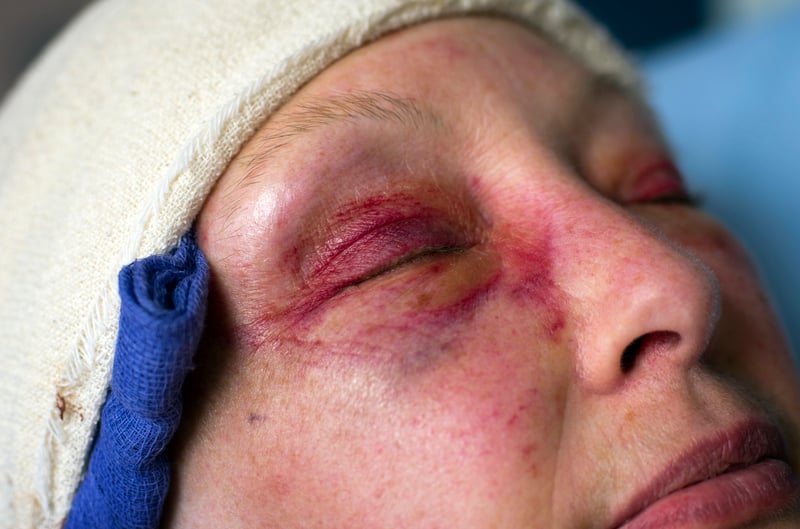
When choosing a lawyer for a TBI case, look for:
- Specific experience with TBI cases
- A demonstrable trial history
- The financial capacity to fund expert disbursements
- In-house medical expertise
- Partner-level attention, rather than a junior associate handling your file
A lawyer without a specific track record in brain injury cases may not know the neuropsychological testing, imaging terminology, or expert network a serious TBI claim needs. That gap can show up later as a lower settlement offer or a weaker position at trial.
Questions to Ask
- How many TBI cases have you handled, and what were the outcomes?
- Who funds expert costs if the case does not succeed?
- Have you challenged a catastrophic impairment designation before, and what happened?
Red Flags to Watch For
- A firm that discourages you from going to trial without a clear reason.
- A firm that asks you to contribute to expert costs upfront.
- A firm that cannot name specific neurological experts they have worked with in the past.
After a Brain Injury, the Right Lawyer Changes Everything
A traumatic brain injury reshapes a family's life in ways that go far beyond the hospital stay. The severity of the injury, the quality of the medical evidence behind it, and the experience of the lawyer handling the claim all shape what happens next, from the accident benefits you receive in the first few months to the settlement or trial outcome that may come years later. Strype Injury Lawyers has spent more than 45 years building the medical and legal expertise that serious brain injury cases demand, and we bring that experience to every family we represent.
- Ready to talk to a lawyer? Get your free case evaluation.
- Nervous about your first appointment? Learn more about what to expect.
- Want to learn more about your rights? Explore our blog.
Legal Disclaimer: The information in this article is intended for general educational purposes only and does not constitute legal advice. Every personal injury claim is unique, and the facts of your situation may affect your legal rights and options. If you have been injured or believe you may have a legal claim, contact a qualified personal injury lawyer in Ontario as soon as possible.

Personal Injury Lawyers